

Vaginal Dryness: Causes, Symptoms, and Treatment Options for Women

Vaginal dryness affects up to half of postmenopausal women, yet many never mention it to their healthcare provider. The discomfort, the impact on intimacy, the quiet frustration—these experiences are far more common than most women realize.
Relief is absolutely possible. This guide covers what causes vaginal dryness, how to recognize the symptoms, and the full range of vaginal dryness treatment in Hillsboro, Oregon available, from hormone therapies to innovative laser treatments.
What Is Vaginal Dryness
Vaginal dryness is a condition where the vaginal walls lack adequate moisture and lubrication. The vaginal lining naturally produces fluid that keeps tissue healthy, flexible, and comfortable. When that moisture decreases, women often experience irritation, discomfort during daily activities, and pain during intimacy.
When vaginal dryness occurs alongside menopause, healthcare providers often use the term genitourinary syndrome of menopause, or GSM. This broader diagnosis captures the range of changes affecting both vaginal and urinary health during this stage of life, and it's often part of a broader conversation around menopause treatment in Hillsboro.
Vaginal dryness can happen at any age, though it becomes far more common during and after menopause. Knowing what causes the condition makes it easier to find the right treatment.
Common Causes of Vaginal Dryness
Menopause and Hormonal Changes
Estrogen keeps vaginal tissue healthy, elastic, and naturally lubricated. During menopause, estrogen levels drop significantly, and the vaginal lining responds by producing less moisture.
Over time, the tissue may become thinner and less flexible, a condition often referred to as vaginal atrophy. This explains why vaginal dryness affects so many women during perimenopause and the years that follow. The connection between estrogen and vaginal health is direct, which is also why hormone-based treatments tend to be effective, and why many women eventually explore vaginal atrophy treatment in Hillsboro.
Medications and Medical Treatments
Certain medications can cause vaginal dryness as a side effect that many women don't expect:
Antihistamines: Dry out mucous membranes throughout the body, including vaginal tissue
Antidepressants: Some formulations affect hormone levels and reduce natural lubrication
Cancer treatments: Chemotherapy and radiation can damage tissue or trigger early menopause
If dryness started after beginning a new medication, that timing is worth mentioning to your healthcare provider. Sometimes adjusting the dose or switching medications can help.
Childbirth and Breastfeeding
New mothers frequently experience vaginal dryness because of hormonal shifts during the postpartum period. Breastfeeding suppresses estrogen production to support milk supply, which often leaves vaginal tissue feeling dry and uncomfortable.
This type of dryness is usually temporary. Once breastfeeding ends and hormone levels stabilize, moisture typically returns on its own.
Lifestyle and Stress Factors
Everyday habits can contribute to vaginal dryness in ways that aren't always obvious:
Douching: Disrupts the natural balance of bacteria and moisture in the vagina
Harsh soaps: Irritate delicate tissue and strip away protective lubrication
Smoking: Affects blood circulation and may speed up hormonal changes
Chronic stress: Throws off hormone balance and can reduce the body's natural lubrication response
Making small changes to daily routines can sometimes improve symptoms, especially when combined with other treatments.
Symptoms of Vaginal Dryness
Itching, Burning, and Irritation
A persistent itch or burning sensation in the vaginal and vulvar area often signals that moisture levels have dropped. At first, the discomfort may come and go. Without treatment, it tends to become more constant and harder to ignore.
Some women describe the sensation as similar to having dry, chapped skin, except in a much more sensitive area.
Painful Intercourse and Discomfort
When vaginal tissue lacks sufficient lubrication, friction during sexual activity causes discomfort or outright pain. Healthcare providers call this dyspareunia, and it's one of the most common reasons women seek painful intercourse treatment.
The physical discomfort often affects emotional intimacy too. Many women find themselves avoiding sex altogether, which can strain relationships and affect self-confidence.
Recurring Urinary Tract Infections
Vaginal dryness changes the pH balance of vaginal tissue, creating conditions where harmful bacteria grow more easily. Women who rarely had urinary tract infections before may suddenly find themselves dealing with them repeatedly.
If UTIs have become more frequent without an obvious explanation, vaginal dryness could be playing a role.
How Vaginal Dryness Is Diagnosed
Diagnosing vaginal dryness usually starts with a conversation about symptoms and medical history. Your provider will ask when the dryness started, what makes it better or worse, and whether you've noticed other changes.
A pelvic examination follows, during which your provider assesses the vaginal tissue for signs of thinning, inflammation, or reduced elasticity. In some cases, hormone level testing helps confirm whether declining estrogen is the primary cause.
A healthcare provider in Hillsboro, Oregon can perform this evaluation and recommend next steps based on your specific situation. The diagnostic process is straightforward, and most women feel relieved to finally have an explanation for their symptoms.
Treatment Options for Vaginal Dryness
Several effective treatments exist, and the right choice depends on your symptoms, medical history, and personal preferences. Some women prefer hormone-based options, while others want to avoid hormones entirely. Both paths can lead to meaningful relief.
Treatment Type | How It Works | Best For | Hormonal/Non-Hormonal |
Localized Estrogen | Delivers hormones directly to vaginal tissue | Menopause-related dryness | Hormonal |
Systemic HRT | Addresses whole-body hormonal decline | Multiple menopause symptoms | Hormonal |
Moisturizers/Lubricants | Provides temporary relief and hydration | Mild symptoms or hormone-free preference | Non-Hormonal |
Laser Therapy | Stimulates collagen and tissue regeneration | Long-term restoration | Non-Hormonal |
Localized Vaginal Estrogen Therapy
Vaginal estrogen delivers hormones directly to the tissue that needs them most. Because the estrogen stays local rather than circulating throughout the body, systemic absorption remains minimal. This approach, known as localized estrogen therapy in Hillsboro, is one of the most widely recommended options for menopause-related dryness.
Three main forms are available:
Creams: Applied directly to vaginal tissue several times per week
Tablets: Small tablets inserted vaginally that dissolve and release low-dose estrogen
Rings: A flexible ring placed in the vagina that releases estrogen continuously for up to three months
Each form works well, so the choice often comes down to personal preference and lifestyle. Some women like the simplicity of a ring they can forget about for months, while others prefer the control of applying cream themselves.
Hormone Replacement Therapy
For women experiencing hot flashes, mood changes, sleep disruption, and vaginal dryness all at once, systemic hormone replacement therapy in Hillsboro addresses multiple symptoms simultaneously. Rather than targeting vaginal tissue alone, HRT delivers hormones throughout the body.
This approach makes sense when menopause is affecting quality of life in several ways. Your provider can help you weigh the benefits and risks based on your health history.
Non-Hormonal Moisturizers and Lubricants
Not every woman can use hormonal treatments, and not every woman wants to. Non-hormonal options provide real relief for many:
Moisturizers: Applied every few days to maintain ongoing hydration of vaginal tissue, similar to how you might use lotion on dry skin
Lubricants: Used during sexual activity to reduce friction and make intimacy more comfortable
The key difference is timing. Moisturizers work preventively over time, while lubricants provide immediate, temporary relief during sex. Many women use both.
Lifestyle Changes and Pelvic Floor Support
Simple adjustments can support vaginal health alongside medical treatments:
Hydration: Drinking enough water helps maintain moisture throughout the body, including vaginal tissue
Avoiding irritants: Fragrance-free soaps and detergents reduce unnecessary irritation
Regular intimacy: Sexual activity promotes blood flow to vaginal tissue, which supports natural lubrication
Pelvic floor exercises: Strengthening pelvic muscles supports overall vaginal and urinary health
On their own, lifestyle changes may not resolve significant dryness. Combined with other treatments, they can make a noticeable difference.
MonaLisa Touch Laser Therapy for Vaginal Dryness
For women who want lasting results without hormones, MonaLisa Touch offers an innovative option for vaginal rejuvenation in Hillsboro. This treatment is available in the Hillsboro area and has helped many women restore vaginal comfort.
How MonaLisa Touch Works
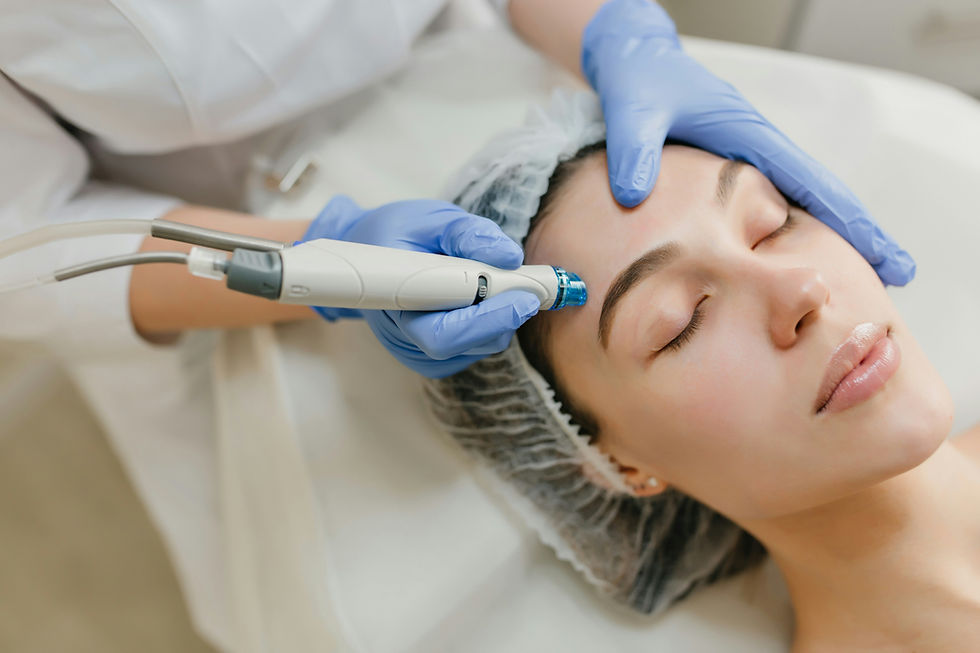
MonaLisa Touch uses CO2 fractional laser technology to gently stimulate vaginal tissue. The laser energy triggers collagen production and encourages the vaginal lining to regenerate itself naturally.
The procedure takes place in-office and doesn't require anesthesia. Most women describe the sensation as mild, and appointments typically last only a few minutes. There's no downtime afterward, so you can return to normal activities right away.
Number of Treatments Needed for Lasting Results
A typical treatment plan involves a series of in-office sessions spaced several weeks apart. After the initial series, periodic maintenance treatments help sustain the results.
Many women notice improvement after their first session, though optimal results usually develop over the full treatment course. Your provider will recommend a schedule based on how your tissue responds.
Who Is a Good Candidate for Vaginal Dryness Treatment
Professional treatment may be especially helpful for:
Menopausal and postmenopausal women: Experiencing hormone-related dryness that affects daily comfort or intimacy
Breast cancer survivors: Who cannot safely use hormonal treatments because of their medical history
Women seeking non-hormonal options: Due to personal preference or other health considerations
Those without relief from over-the-counter products: Who have tried moisturizers and lubricants without adequate improvement
If vaginal dryness is affecting your quality of life, you don't have to simply accept it. Effective treatments exist, and finding the right one starts with a conversation with your healthcare provider.
What to Expect During Vaginal Dryness Treatment
Step 1: Initial Consultation and Evaluation
Your first appointment involves discussing your symptoms in detail. Your provider will ask about when the dryness started, how severe it is, and what you've already tried. A physical examination helps assess the current state of your vaginal tissue.
This conversation is also your chance to ask questions and share any concerns about treatment options.
Step 2: Personalized Treatment Plan
Based on your evaluation, your provider will recommend a treatment approach tailored to your specific situation. Factors like symptom severity, medical history, lifestyle, and personal preferences all play a role in determining the best path forward.
Some women start with one treatment, while others benefit from combining several approaches. There's no single right answer, and your plan can be adjusted over time.
Step 3: Follow-Up and Ongoing Care
Follow-up appointments allow your provider to assess how well treatment is working. If something isn't providing enough relief, adjustments can be made.
Vaginal dryness often requires ongoing management rather than a one-time fix. Regular check-ins help ensure you maintain long-term comfort and can address any new concerns as they arise.
Where to Find Vaginal Dryness Treatment in Hillsboro, Oregon
Women's health clinics, gynecology practices, and specialized providers throughout Hillsboro and Washington County offer vaginal dryness treatment. When choosing a provider, look for someone who takes time to listen to your concerns and explains all available options clearly.
Schedule your consultation today to discuss your symptoms with a provider who specializes in women's health and understands what you're going through.


Comments